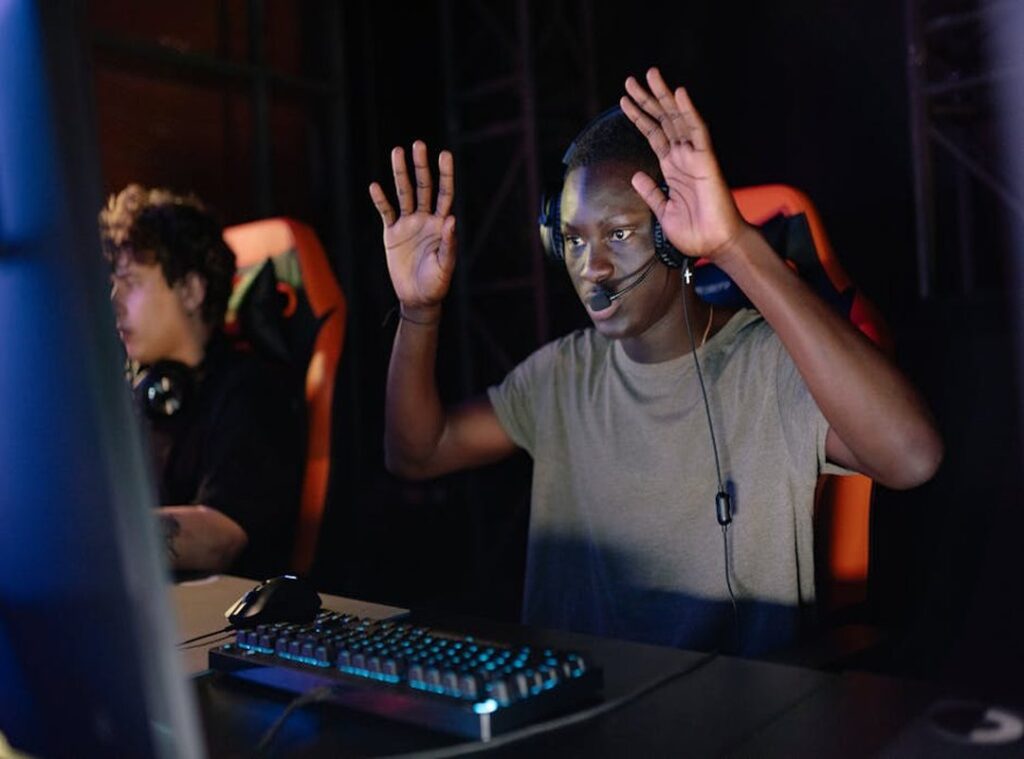

You ever been in a tournament where nothing goes right? Rules change on the fly, matches start late, and players are fuming in the chatroom. I’ve seen these disasters and, trust me, they can be avoided.
You’re here because you want to prepare high-stakes tournaments that actually work. I know the gaming scene inside out (I’ve been around the block a few times), and I can tell you what turns chaos into a legendary event.
This article is your roadmap. By the end, you’ll have a step-by-step blueprint to follow. No more guessing, no more confusion.
Just clear actions to take from planning to the final showdown. Stick with me, and you’ll learn how to organize competitive tournaments that are unforgettable. Ready to dive in and make your tournaments legendary?
Let’s get started.
Phase 1: The Pre-Game Blueprint
Before you even think about stepping into a tournament, know this: the real battle begins way before the first match. The groundwork you lay will decide if you dominate or get crushed. Picking the right game is step one.
Should you go for a popular title or something niche? It’s a balancing act. Check out current gameplay trends and dive into the competitive meta.
Trust me, you want to maximize interest from the start.
Tournament formats can make or break your event. Single Elimination is like a high-stakes sprint. One loss and you’re out. Double Elim?
It’s a marathon with a second chance. Round Robin gives everyone a shot, but it can drag on. Choose wisely based on your crowd.
A rock-solid ruleset? Non-negotiable. Cover match settings, character bans, and what happens if someone disconnects.
And don’t forget sportsmanship clauses. These rules will be your best friend when disputes arise. You’ll thank yourself later.
Choosing the right platform is key, too. Options like Challonge and Battlefy, or even a simple Discord bot, can be your best co-pilot for managing brackets. Without them, you’re flying blind.
Pro tip: when you’re deep in the weeds of preparing high-stakes tournaments, remember to keep your sanity. Balance is key. Even balancing gaming life professionals know the importance of a solid foundation.
So, are you ready to prepare for your tournament? Or do you need more time to think? Either way, groundwork is everything.
Phase 2: Building the Hype & Filling the Roster
Time to shift gears. Planning is done; now it’s all about promotion. The goal?
Get those players pumped up and signed on the dotted line. Look, creating a buzz isn’t rocket science, but it does demand some savvy moves.
Start with a graphic. Keep it cool, not cluttered. Post it everywhere: Discord servers, subreddits, and social media groups that matter.
Get your announcement post spot-on. It needs to be clear and concise. Game, Date/Time, Region, Format, Prize, and a link to the rules and registration (these) are not optional.
They’re non-negotiable.
Registration should be a breeze. Nothing turns people off faster than a long, drawn-out sign-up process. Ask for the essentials: in-game name, Discord ID, maybe a team name.
That’s it. Simple, right? (No one wants to fill in their life story just to play.)
Let’s talk check-ins. They’re an absolute must an hour before the tournament kicks off. You don’t want to deal with no-shows, and trust me, they’ll happen if you skip this step.
A mandatory check-in is your insurance policy for a smooth start.
Finally, if you’re aiming to prepare high-stakes tournaments, you can’t just wing it. You need to be strategic about every phase (especially) this one. Think of it like setting the stage for a concert.
Without the hype, the seats would be empty. But with smart promotion, you’ll have a full house.
Phase 3: Game Day Execution & Damage Control
Game day is where things really pop off. It’s not just about playing; it’s about managing chaos. When you prepare high-stakes tournaments, you’re not just an organizer, you’re a live-event manager.

And trust me, things get hectic fast.
First off, seeding the bracket. It’s all about ranking players to make sure matchups start fair (nobody wants a lopsided game from the get-go). You line them up based on past performances or qualifying rounds.
It sounds fancy, but it’s just arranging a list. Simple, right?
Communication is your best friend. A central hub, like a Discord server, is not optional. You need channels for announcements, questions, and match-reporting.
Keep everything in one spot. Otherwise, you’ll spend your day chasing lost players and missed messages.
Now, let’s talk about The Big Three Glitches: Player No-Shows, Score Disputes, and Rule Arguments. These are the nightmares. Handle player no-shows by having a set rule: If they’re not there by their time, they forfeit.
Easy. Score disputes? You need proof, screenshots preferably.
If there’s no evidence, toss a coin. Seriously. As for rule arguments, stay firm.
The rules you set are iron. Make changes next time if needed.
Pro tip: Encourage community engagement. Not just for the players. For everyone.
A simple live stream (even if it’s just the game screen) keeps the energy high. Or try a “clip-of-the-day” channel. It lets players share their best moments.
A keepsake for when they’re out.
For more depth, check out takeaways top age 9 players for ideas and trends that might just give you the edge in managing your event.
So, is it stressful? Absolutely. But with a bit of planning and a tight grip on the essentials, you’ll be golden.
Game on!
Phase 4: The Winner’s Circle
After the final match, there’s still work to do. It’s not just about handing out the prizes. Sure, cash is great, but have you thought about in-game items or exclusive Discord roles?
Maybe even just the glory of bragging rights? Whatever it is, be clear and deliver them fast.
They’re not just for fun. This content is your lifeline for marketing the next event. It helps build your reputation and community.
Now, let’s talk about the post-game wrap-up. This is your moment to shine. Publicly congratulate the winners, share the final bracket, and post those epic screenshots.
Think about it. When you prepare high-stakes tournaments, the aftermath is as key as the event itself. A highlight reel can be your secret weapon.
People love seeing themselves in action, and it draws in new players.
Don’t forget feedback. Send out a simple form (nothing too fancy). Ask participants what they liked and what you could tweak for next time.
They’ll appreciate it, and you’ll get takeaways that money can’t buy.
Does it sound like a lot? Maybe. But trust me, this is how you keep the buzz alive and the community engaged.
Become the Tournament Hero You Were Meant to Be
You’re ready. You’ve got every tool you need to prepare high-stakes tournaments without the chaos. No more players bailing because of a disorganized mess.
You’ve got this structured approach that swaps panic for precision. It turns potential disasters into smooth, legendary events.
Now, here’s the challenge: pick a game, set a date, and dive in. Trust the guide, and let it reshape your tournaments. Imagine the satisfaction of players staying till the end, raving about your event.
That’s what awaits you if you take the leap.
Don’t settle for less. Become the organizing legend you always wanted to be. Start your journey today.
Launch your first (or next) unforgettable tournament. Your players are waiting. Make it happen.
 Veylisa Orvellan has opinions about age 9 competitive meta analysis. Informed ones, backed by real experience — but opinions nonetheless, and they doesn't try to disguise them as neutral observation. They thinks a lot of what gets written about Age 9 Competitive Meta Analysis, Multiplayer Setup Optimization Tips, Clien Strategy Guides and Tactics is either too cautious to be useful or too confident to be credible, and they's work tends to sit deliberately in the space between those two failure modes.
Reading Veylisa's pieces, you get the sense of someone who has thought about this stuff seriously and arrived at actual conclusions — not just collected a range of perspectives and declined to pick one. That can be uncomfortable when they lands on something you disagree with. It's also why the writing is worth engaging with. Veylisa isn't interested in telling people what they want to hear. They is interested in telling them what they actually thinks, with enough reasoning behind it that you can push back if you want to. That kind of intellectual honesty is rarer than it should be.
What Veylisa is best at is the moment when a familiar topic reveals something unexpected — when the conventional wisdom turns out to be slightly off, or when a small shift in framing changes everything. They finds those moments consistently, which is why they's work tends to generate real discussion rather than just passive agreement.
Veylisa Orvellan has opinions about age 9 competitive meta analysis. Informed ones, backed by real experience — but opinions nonetheless, and they doesn't try to disguise them as neutral observation. They thinks a lot of what gets written about Age 9 Competitive Meta Analysis, Multiplayer Setup Optimization Tips, Clien Strategy Guides and Tactics is either too cautious to be useful or too confident to be credible, and they's work tends to sit deliberately in the space between those two failure modes.
Reading Veylisa's pieces, you get the sense of someone who has thought about this stuff seriously and arrived at actual conclusions — not just collected a range of perspectives and declined to pick one. That can be uncomfortable when they lands on something you disagree with. It's also why the writing is worth engaging with. Veylisa isn't interested in telling people what they want to hear. They is interested in telling them what they actually thinks, with enough reasoning behind it that you can push back if you want to. That kind of intellectual honesty is rarer than it should be.
What Veylisa is best at is the moment when a familiar topic reveals something unexpected — when the conventional wisdom turns out to be slightly off, or when a small shift in framing changes everything. They finds those moments consistently, which is why they's work tends to generate real discussion rather than just passive agreement.