
I know what it’s like to want to move your body (and) then remember you can’t just jump into something without thinking.
That pain isn’t imaginary. It’s real. And it’s exhausting.
You’re tired of choosing between staying still or risking a flare-up.
Hcdesports shouldn’t feel like walking through fog.
I’ve spent years helping people find actual options. Not vague suggestions like “try gentle yoga” (which, by the way, isn’t always gentle for everyone).
This isn’t theory. It’s tested. It’s practical.
It’s based on real conversations with doctors, trainers, and people living with HCD.
No fluff. No guesswork.
Just clear answers on which sports work, how to adjust them, and what to check before you lace up.
You’ll walk away knowing exactly where to start (and) why it’s safe.
How HCD Changes the Game for Movement
HCD means your body moves differently. Not broken. Just different.
Joints might protest stairs. Your heart might tap out faster than someone else’s. Breathing gets heavier doing what used to feel easy.
That’s not weakness. It’s information.
And yet most people with HCD freeze when it comes to sports. They ask themselves: *What if I tear something? What if I make it worse?
What if I’m the only one limping through warm-ups?*
I’ve heard all three in the same breath.
You’re not imagining those risks. They’re real. But avoiding movement altogether?
That’s how things get worse (fast.)
Listen to your body (not) the voice that says “push harder,” but the one that says “this feels sharp” or “my chest is tight.”
Consult a professional before you lace up. Not “maybe.” Not “after a few weeks.” Before. A doctor.
A physical therapist who knows HCD. This isn’t bureaucracy. It’s your safety net.
Focus on low-impact movement. Swimming. Cycling.
Water aerobics. Even seated resistance bands count. If it builds strength without pounding joints, it belongs in your rotation.
Hcdesports exists because generic fitness advice fails people with HCD. Every program there starts from that reality.
You don’t need to match someone else’s pace. You need consistency. You need smart effort.
You need rest that counts.
I tried ignoring my own limits once. Tore my rotator cuff doing push-ups off a YouTube video. (Spoiler: YouTube doesn’t know your medical history.)
Start small. Track what feels good. Not just what burns calories.
Movement isn’t about proving anything. It’s about staying in your body, long-term.
Skip the consult? Don’t do it. Seriously.
Low-Impact Sports That Actually Work for HCD
I tried running. Then I stopped. My knees said no (and) I listened.
Swimming or water aerobics is first on my list. The water holds you up. Your joints don’t take the hit.
You get cardio, strength, and breath control. All without grinding cartilage.
Cycling (stationary or recumbent) is next. Your feet stay planted. Your back stays supported.
No pounding. Just steady effort. I use a recumbent bike three times a week.
My hips don’t complain anymore.
Yoga and tai chi? Yes. Not the Instagram version.
The real one (where) you move slow, breathe deep, and stop pretending balance isn’t a skill you lost in your 30s.
Walking on flat terrain counts. Start with ten minutes. Add five every week.
Wear shoes that aren’t held together by hope. Flat trails beat sidewalks any day.
Rowing surprises people. It’s not about the arms. It’s your legs, core, and back working together.
While your body floats on the seat. Zero weight-bearing. Full-body payoff.
None of these are magic. But they’re predictable. They don’t ambush you with pain two days later.
Hcdesports isn’t about pushing through. It’s about showing up consistently (without) paying for it later.
You don’t need to “get back to normal.” Normal was never the goal.
What’s one thing you’ve done lately that didn’t leave you sore?
I walk before coffee. No music. Just me, pavement, and quiet.
That’s enough.
How to Bend Activities Without Breaking Them
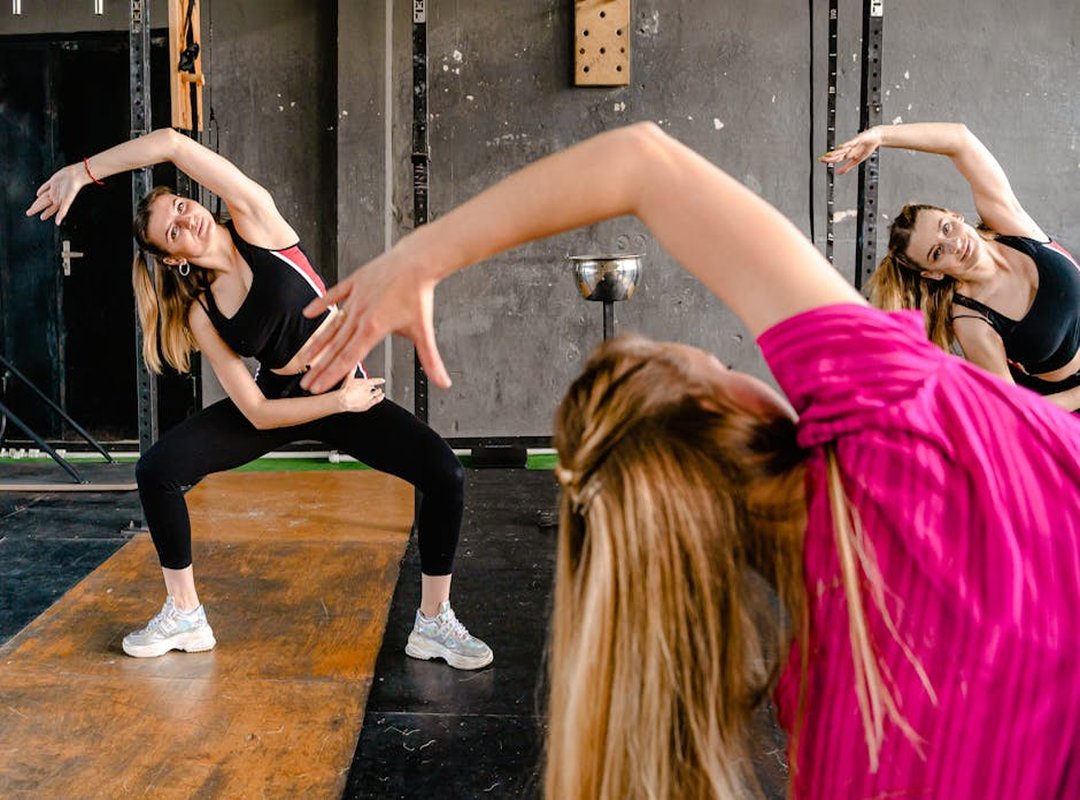
I used to think modifying a workout meant failing. Turns out it means staying in the game longer.
Activity modification isn’t a backup plan. It’s how you keep showing up. Year after year.
I go into much more detail on this in What Are the Popular Esports Games to Play Hcdesports.
I call it PACE: Pace yourself, Adapt gear, Change intensity, Enlist support.
Pace yourself? Start with 10 minutes instead of 30. That’s not lazy.
It’s strategic.
Adapt the equipment? Swap running shoes for supportive sneakers. Use a chair for yoga squats.
Try a recumbent bike if your back hates upright pedaling. (Yes, that includes me.)
Change intensity? Walk instead of jog. Do wall push-ups instead of floor ones.
Lower the weight. Slow the tempo. Your body doesn’t care about ego (it) cares about consistency.
Enlist support? Hire a coach who listens. Grab a friend who won’t ghost you mid-squat.
Or join a group where nobody judges your pace.
Warm-ups and cool-downs aren’t optional extras. They’re non-negotiable.
I do three moves before every session: ankle circles, cat-cow, and arm swings. Takes 90 seconds. Prevents knee twinges I used to ignore.
Cool down with seated forward fold, supine figure-four stretch, and deep belly breaths. Hold each 30 seconds. No music.
No phone. Just breathing.
What Are the Popular Esports Games to Play Hcdesports? Yeah (even) there, pacing matters. You don’t need marathon sessions to get better.
Hcdesports players who last longest aren’t the fastest. They’re the ones who adjust their screen time, posture, and rest breaks before wrist pain shows up.
You don’t have to push harder. You just have to push smarter.
That chair squat? It counts.
That 5-minute walk? It counts.
That stretch you did while waiting for coffee? It counts.
Stop waiting for perfect conditions. Start where you are.
Modify first. Worry later.
Gear That Doesn’t Betray You
I’ve worn shoes that looked great and gave me blisters in under a mile. (Yes, I still bought them.)
Supportive footwear isn’t optional for walking. It’s non-negotiable. Your feet carry you (treat) them like the foundation they are.
For cycling? Ergonomic grips cut hand fatigue by half. I swapped mine last spring and stopped white-knuckling every ride.
Water activities demand honesty: if you’re not confident in the water, wear a flotation device. No shame. Just safety.
Online groups work too. Just avoid the ones where everyone posts perfect progress pics. (Spoiler: nobody’s perfect.)
Communities matter just as much as gear. I joined a local walking group after my diagnosis (not) for motivation, but for real talk about bad days and weird symptoms.
Hcdesports has solid starter guides for adaptive gear. Check their basics section if you’re overwhelmed.
You don’t need the most expensive thing. You need what fits your body, your pace, your reality.
What’s the first piece of gear you’ll replace this month?
Move Your Body Without the Guesswork
I’ve been where you are. Staring at a list of exercises, wondering which ones won’t backfire.
HCD makes every movement feel like a risk. Not because you’re broken. But because no one told you how to start safely.
You don’t need perfect conditions. You need one smart step. Right now.
This week, pick one activity from our list. Just one. Then call your doctor and ask: “Is this safe for me?”
Not “Can I do it?” (ask) “Is this right for me?”
That conversation changes everything. It shifts control back to you.
Most people wait for permission. You’re about to claim it.
Your body isn’t waiting for someday. It’s ready now.
Do it this week. Not next month. Not after you “feel better.”
Schedule that call. Today.