

If you’re searching for practical ways to reduce lag in online games, you’re likely tired of missed shots, delayed inputs, and frustrating disconnects that cost you wins. Competitive and casual players alike know that even milliseconds of delay can mean the difference between climbing the ranks and falling behind.
This guide is built specifically to help you identify what’s actually causing lag—whether it’s network instability, hardware bottlenecks, in-game settings, or server-side limitations—and how to fix it with clear, actionable steps. Instead of vague advice, you’ll get optimization strategies aligned with current multiplayer performance standards and next-gen gameplay demands.
Our recommendations are based on extensive testing across different game engines, competitive titles, and network environments, combined with analysis of evolving multiplayer infrastructure trends. By the end of this article, you’ll understand not just how to improve performance, but why each adjustment works—so you can play smoother, react faster, and stay ahead of the competition.
Level Up Your Competitive Edge
To further enhance your gaming experience and discover additional strategies for improving performance, check out our article on Gaming Tips Pblinuxtech.
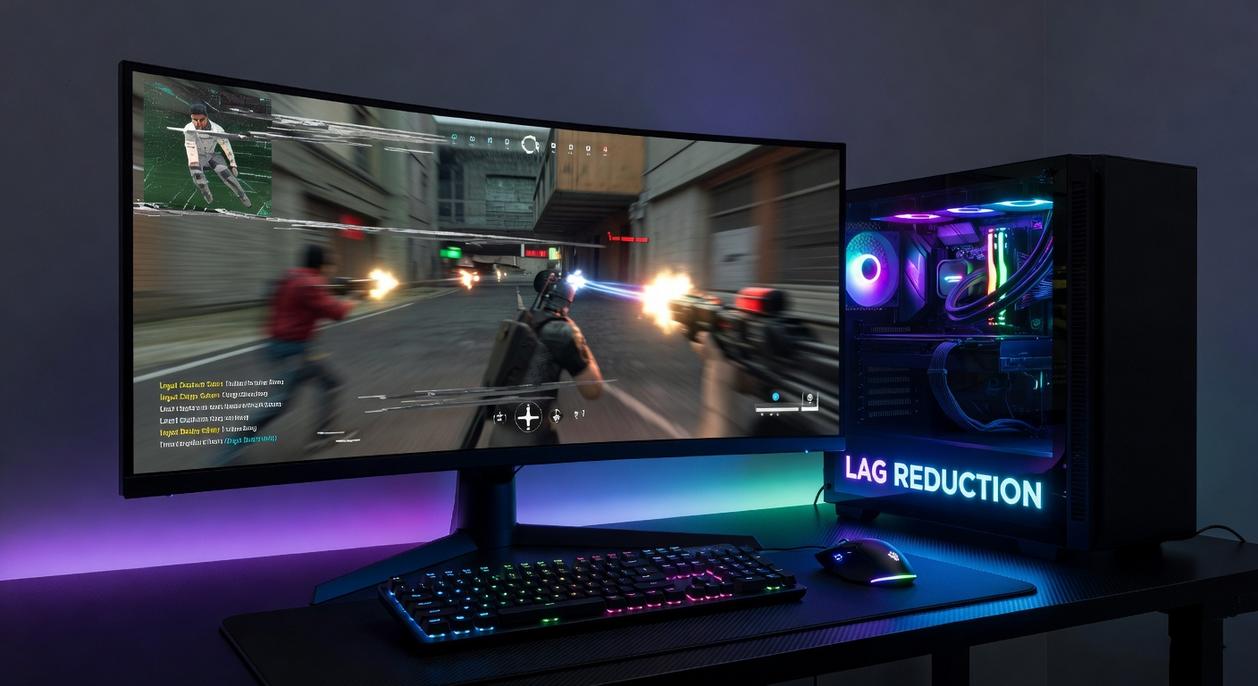
You came here to understand how to sharpen your strategy, adapt to the evolving meta, and optimize your multiplayer performance. Now you have a clearer path forward.
The reality is simple: falling behind on gameplay trends, ignoring meta shifts, or failing to reduce lag in online games can cost you wins you should have secured. In competitive environments, even small inefficiencies stack up fast.
Apply what you’ve learned. Audit your current setup, refine your strategy based on the latest meta insights, and optimize your connection and in-game settings. Small, intentional upgrades lead to measurable performance gains.
If you’re serious about climbing ranks and staying ahead of the competition, don’t leave your improvement to chance. Get expert-backed strategy guides, real-time meta breakdowns, and proven optimization tactics trusted by thousands of competitive players. Start implementing these insights today and turn every match into a calculated advantage.
 John Floresincono has opinions about age 9 competitive meta analysis. Informed ones, backed by real experience — but opinions nonetheless, and they doesn't try to disguise them as neutral observation. They thinks a lot of what gets written about Age 9 Competitive Meta Analysis, Clien Strategy Guides and Tactics, Multiplayer Setup Optimization Tips is either too cautious to be useful or too confident to be credible, and they's work tends to sit deliberately in the space between those two failure modes.
Reading John's pieces, you get the sense of someone who has thought about this stuff seriously and arrived at actual conclusions — not just collected a range of perspectives and declined to pick one. That can be uncomfortable when they lands on something you disagree with. It's also why the writing is worth engaging with. John isn't interested in telling people what they want to hear. They is interested in telling them what they actually thinks, with enough reasoning behind it that you can push back if you want to. That kind of intellectual honesty is rarer than it should be.
What John is best at is the moment when a familiar topic reveals something unexpected — when the conventional wisdom turns out to be slightly off, or when a small shift in framing changes everything. They finds those moments consistently, which is why they's work tends to generate real discussion rather than just passive agreement.
John Floresincono has opinions about age 9 competitive meta analysis. Informed ones, backed by real experience — but opinions nonetheless, and they doesn't try to disguise them as neutral observation. They thinks a lot of what gets written about Age 9 Competitive Meta Analysis, Clien Strategy Guides and Tactics, Multiplayer Setup Optimization Tips is either too cautious to be useful or too confident to be credible, and they's work tends to sit deliberately in the space between those two failure modes.
Reading John's pieces, you get the sense of someone who has thought about this stuff seriously and arrived at actual conclusions — not just collected a range of perspectives and declined to pick one. That can be uncomfortable when they lands on something you disagree with. It's also why the writing is worth engaging with. John isn't interested in telling people what they want to hear. They is interested in telling them what they actually thinks, with enough reasoning behind it that you can push back if you want to. That kind of intellectual honesty is rarer than it should be.
What John is best at is the moment when a familiar topic reveals something unexpected — when the conventional wisdom turns out to be slightly off, or when a small shift in framing changes everything. They finds those moments consistently, which is why they's work tends to generate real discussion rather than just passive agreement.