
Ever find yourself longing for the good old days of gaming? You’re not alone. Retro game revivals are making a massive comeback. Why?
Because they offer a nostalgia trip that today’s high-res, open-world games can’t match. There’s something magical about those 8-bit and 16-bit graphics, isn’t there? They remind us of simpler times when gaming was about skill, not microtransactions.
But here’s the twist. It’s not just about reliving the past. These revivals are bringing modern twists to classic games, blending old-school charm with fresh gameplay.
I know you’re skeptical. I was too. Why replay what I finished decades ago?
But trust me, these aren’t mere rehashes.
So, what will you get from diving into this world? A chance to see how the pulse of the gameverse has evolved (and what that means for you as a player today). Let’s explore why these revivals are more than just a nostalgia trip.
Retro Game Revivals: Modernizing Classics
Let’s talk about reboots that nailed it. These aren’t just your average remakes. I’m talking about the ones that redefined what a classic could be.
Take “Resident Evil 2 Remake.” This wasn’t just a facelift. The original’s fixed camera angles were iconic, sure, but the shift to an over-the-shoulder view changed everything. Ever try navigating a zombie-infested hallway with limited sight?
It’s terrifying! Capcom respected the original horror vibe while making it feel fresh. They didn’t just slap on new graphics.
They modernized the tension. The gameplay became more immersive and immediate. It’s a survival horror, but with a heartbeat that pulses with today’s gaming expectations.
Then there’s “Final Fantasy VII Remake.” This was a big gamble. Could you imagine turning a beloved turn-based system into a real-time hybrid? They did it and nailed it.
The original’s ATB (Active Time Battle) system was iconic, but today’s gamers crave action. The remake offers a hybrid combat system, appealing to both purists and new players. It keeps the strategic depth while offering fast-paced battles.
It’s like they understood that nostalgia needs a modern twist to thrive.
And let’s not forget “Demon’s Souls” on PS5. The original was brutal, a rite of passage for gamers. The remake?
It’s a visual masterpiece. But that’s not all. The core “meta” remains untouched, respecting players who thrive on punishing difficulty.
Yet, they’ve added quality-of-life improvements. Better controls, smoother animations, and a revamped UI keep it feeling modern. The tension and challenge are preserved, but with refined mechanics.
It’s a how you can modernize without losing the soul of the game.
These reboots didn’t just update; they evolved. They embraced the old while integrating new tech and gameplay that connect with today’s players. That’s why they succeed.
They respect the past and listen to the present. If you’re interested in how the gaming space is shifting, check out the top 10 upcoming indie games. You’ll see how these revivals fit into broader trends.
Retro game revivals aren’t just about nostalgia. They’re about bringing masterpieces to a new generation, proving that old dogs can learn new tricks, and sometimes, they teach us a thing or two.
Cautionary Tales: When Nostalgia Gets It Wrong
Remember Warcraft III: Reforged? What a mess. Blizzard promised us a visual upgrade but delivered a downgrade instead.
It didn’t just disappoint with its graphics. It outright wrecked the original’s multiplayer meta and custom game scene. That’s what happens when developers ignore what made the original special.
Players had high hopes, and Blizzard managed to crush them. It’s like they forgot what made the game a classic. You have to wonder, was anyone listening to the fans?
Then there’s the XIII Remake. What a disaster. The original had this iconic cel-shaded look.
It was bold, unique. But the remake? It stripped away that soul, leaving fans with a generic shell of what once was.
This wasn’t just a change in art style. It was a change in identity. The developers missed the mark.
They didn’t just misunderstand the original; they ignored its essence. If you’re going to reboot a game, why not do it with some respect?
Here’s where we learn a lesson. Retro game revivals should honor their roots. Too often, developers chase trends instead of understanding what truly resonates with fans.
If you’re curious about ones that did it right, check out these retro game revivals. Those are the games that got it. They understood what players loved and built on it without losing the magic.
That’s the key. Know the heart of the game. If you’re not doing that, are you really reviving anything?
The Reboot Recipe: A Blueprint for Success
Retro game revivals are tricky. You can’t just slap on new graphics and call it a day. The core loop that made the original a blast has to stay intact.
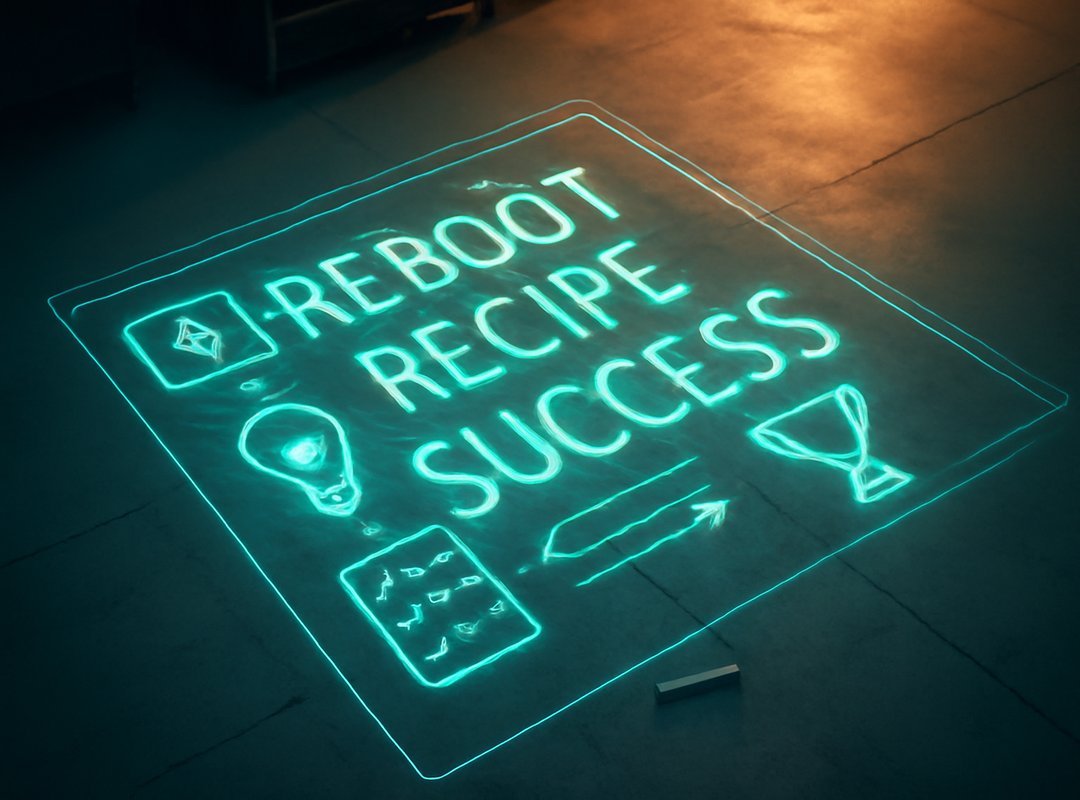
Think of it like a good remix (you) want to keep the beat that everyone loved in the first place.
Modernization should be meaningful. It’s not just about giving the game a shiny look. You need to dig into the mechanics and make thoughtful updates.
Better controls, updated camera systems, and accessibility tweaks can make the old feel new again. But don’t mess with the core challenge. No one wants to play an easy mode of their favorite game.
It’s about removing frustrations, not the fun.
Respect the aesthetic. This is where many reboots go wrong. They update the graphics but lose the original vibe.
Remember those pixelated characters? They had a charm that shouldn’t be lost in translation. Successful reboots honor the original’s art direction, adding polish without losing soul.
It’s like upgrading to HD but keeping the classic feel intact.
And don’t forget the fans. Engage with them. They are the ones who kept the game alive all these years.
They know what works and what doesn’t. Their takeaways can help avoid big missteps during development. You don’t want to alienate your most loyal audience.
Talk with them, not at them.
Oh, and while we’re on the topic of game evolution, the Rise Of Blockchain In Gaming is reshaping how we think about game ownership and economies. It’s a wild ride.
The blueprint for a successful reboot is straightforward but not simple. Preserve what made the original great, modernize meaningfully, respect the aesthetic, and engage the community. Get these right, and you’re not just reviving a game.
You’re giving it a new life. Isn’t that what every gamer wants?
On The Horizon: Retro Game Revivals and Their Challenges
I’m excited about some upcoming reboots, but let’s not kid ourselves. They’re tricky. Take “Prince of Persia: The Sands of Time.” The main challenge?
It’s all about capturing the magic of the original while updating graphics and controls. Can they do it without losing the nostalgic vibe? That’s what we’re all wondering.
Then there’s “Star Wars: Knights of the Old Republic.” Modernizing combat mechanics is important, yet keeping that deep, choice-driven RPG core is non-negotiable. Fans won’t accept anything less.
And “Silent Hill 2”? It’s about nailing the eerie atmosphere and psychological horror. New tech offers opportunities, but will it maintain the game’s chilling essence?
I’m not sure. What do you think? Are these reboots going to succeed, or are we setting ourselves up for disappointment?
Level Up Your Retro Gaming Savvy
You’ve got the tools now. Feel that? It’s confidence.
You see through the hype and dissect retro game revivals like a pro. Remember the biggest risk: lazy cash-grabs ruining classics we adore. But you know the secret.
A great reboot isn’t just a facelift. It’s a smart evolution of gameplay.
Craving more takeaways? Dive deeper into the heart of next-gen trends. Discover what sets new gaming apart.
Curious about the future of gaming? Explore other expert guides on Clienage9.com. Don’t miss out.
Stay informed. Stay ahead. Keep playing smart.
 John Floresincono has opinions about age 9 competitive meta analysis. Informed ones, backed by real experience — but opinions nonetheless, and they doesn't try to disguise them as neutral observation. They thinks a lot of what gets written about Age 9 Competitive Meta Analysis, Clien Strategy Guides and Tactics, Multiplayer Setup Optimization Tips is either too cautious to be useful or too confident to be credible, and they's work tends to sit deliberately in the space between those two failure modes.
Reading John's pieces, you get the sense of someone who has thought about this stuff seriously and arrived at actual conclusions — not just collected a range of perspectives and declined to pick one. That can be uncomfortable when they lands on something you disagree with. It's also why the writing is worth engaging with. John isn't interested in telling people what they want to hear. They is interested in telling them what they actually thinks, with enough reasoning behind it that you can push back if you want to. That kind of intellectual honesty is rarer than it should be.
What John is best at is the moment when a familiar topic reveals something unexpected — when the conventional wisdom turns out to be slightly off, or when a small shift in framing changes everything. They finds those moments consistently, which is why they's work tends to generate real discussion rather than just passive agreement.
John Floresincono has opinions about age 9 competitive meta analysis. Informed ones, backed by real experience — but opinions nonetheless, and they doesn't try to disguise them as neutral observation. They thinks a lot of what gets written about Age 9 Competitive Meta Analysis, Clien Strategy Guides and Tactics, Multiplayer Setup Optimization Tips is either too cautious to be useful or too confident to be credible, and they's work tends to sit deliberately in the space between those two failure modes.
Reading John's pieces, you get the sense of someone who has thought about this stuff seriously and arrived at actual conclusions — not just collected a range of perspectives and declined to pick one. That can be uncomfortable when they lands on something you disagree with. It's also why the writing is worth engaging with. John isn't interested in telling people what they want to hear. They is interested in telling them what they actually thinks, with enough reasoning behind it that you can push back if you want to. That kind of intellectual honesty is rarer than it should be.
What John is best at is the moment when a familiar topic reveals something unexpected — when the conventional wisdom turns out to be slightly off, or when a small shift in framing changes everything. They finds those moments consistently, which is why they's work tends to generate real discussion rather than just passive agreement.