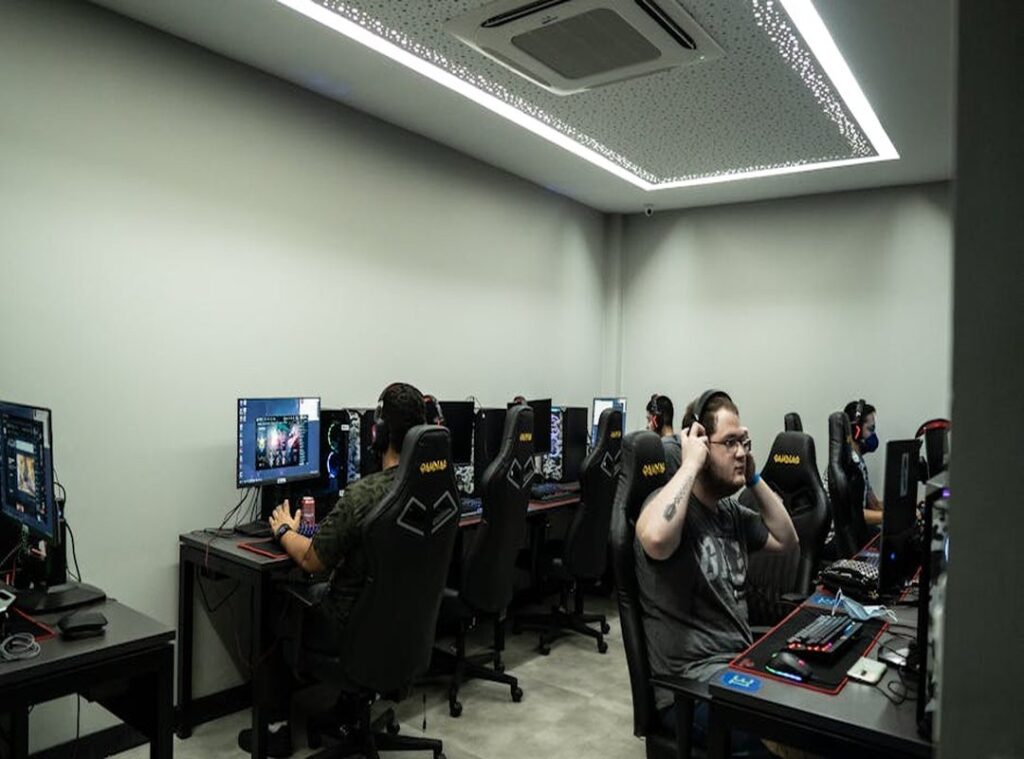
You think esports is just kids in basements yelling at screens.
It’s not.
Esports drew 45 million viewers for the 2023 League of Legends World Championship final. That’s more than the 2023 NBA Finals.
I’ve watched this grow from LAN parties in garages to sold-out arenas in Seoul and Berlin. I’ve seen players go from broke college students to million-dollar contracts. I’ve seen coaches, analysts, therapists, and production crews build full careers around this.
Why Esports Are Important Hcdesports isn’t about proving games are “serious.” It’s about showing how this changed jobs, money, identity, and community.
People still say it’s “just video games.”
So why do colleges offer scholarships? Why do cities build stadiums for it? Why do Fortune 500 brands pay millions for sponsorships?
I’ll show you what’s really happening. Not the hype, not the memes, but the shift.
This article tells you why it matters. And why you’re already living in its world.
The Unignorable Numbers: Esports Is Not a Side Hustle
Esports revenue hit $1.38 billion last year. That’s not hype. It’s real money.
Sponsorships alone made up 42% of that. Advertising and media rights followed close behind.
I watched The International 2023 peak at 6.4 million concurrent viewers. That’s more than the NBA Finals average. League of Legends Worlds hit 5.1 million.
Same year. Same month. Real people.
Real screens.
You think that’s noise? Try explaining it to Louis Vuitton. Or BMW.
Or Red Bull. They’re not dabbling. They’re signing multi-year deals with teams like T1 and G2.
Not for logo placement. For co-branded drops, driver-style merch, and stadium naming rights.
A top esports org now runs like an NFL franchise. Same payroll scale. Same travel staff.
Same video analysts. Same physiotherapists (yes, really). I saw a team’s practice facility in Seoul.
Three floors, motion-capture labs, sleep coaches. No joke.
Why do brands care? Because 67% of esports fans are aged 18 (34.) And they trust streamers more than celebrities. You can’t buy that attention.
You earn it (match) by match.
That’s why Hcdesports matters. It tracks exactly how this space breathes, spends, and scales.
Does “casual viewer” even exist anymore? I don’t think so. You either watch or you’re missing the biggest cultural shift since cable TV died.
Esports isn’t becoming mainstream. It already is.
And if you still think it’s just kids playing games. You’re ignoring the numbers.
Why Esports Are Important Hcdesports isn’t a question. It’s a statement. One backed by balance sheets and bandwidth logs.
The money’s real. The fans are real. The infrastructure is real.
Stop waiting for permission to take it seriously.
From Bedroom to Big Stage: Esports Isn’t a Hobby (It’s) a Job
I trained with a League of Legends team for six months. Not as a player. As a mental coach.
And let me tell you (their) schedule hit harder than most 9-to-5s.
They practiced 8. 10 hours a day. Not just playing. VOD review. Physical workouts.
I covered this topic over in Online Gaming Guide Hcdesports.
Nutrition logs. Breathing drills before scrims.
You think it’s about clicking fast? Try coordinating four other people across three continents while your opponent blinks a flank, your jungler misreads the map, and your shotcaller’s voice cracks mid-call.
That’s real-time plan. That’s communication under heat. That’s teamwork with zero margin for ego.
I watched one player rewatch the same 90-second teamfight 17 times in one afternoon. He wasn’t looking for who died. He was checking who blinked first, who delayed their ult by 0.3 seconds, who broke rotation without saying it out loud.
That’s the skill no one talks about until they’re on stage. And then it’s all that matters.
Shoutcasters who narrate chaos like sportscasters do football. Content creators who turn loss compilations into viral lessons.
Esports created real jobs. Coaches. Analysts who map enemy habits like FBI profilers.
One player I worked with went from sleeping on his cousin’s couch in Tulsa to starting for a Tier 2 org in Berlin. He missed his sister’s wedding. Broke up with his girlfriend over Discord.
Didn’t take a full weekend off for 14 months.
He made it. But not because he was “good at games.” Because he treated it like work. And everyone else finally caught up.
Why Esports Are Important Hcdesports isn’t about hype. It’s about recognizing that discipline, structure, and measurable skill exist where we used to assume there was only screen time.
You wouldn’t call a ballet dancer “just dancing.” So stop calling them “just gaming.”
More Than a Match: Esports Builds Real Communities
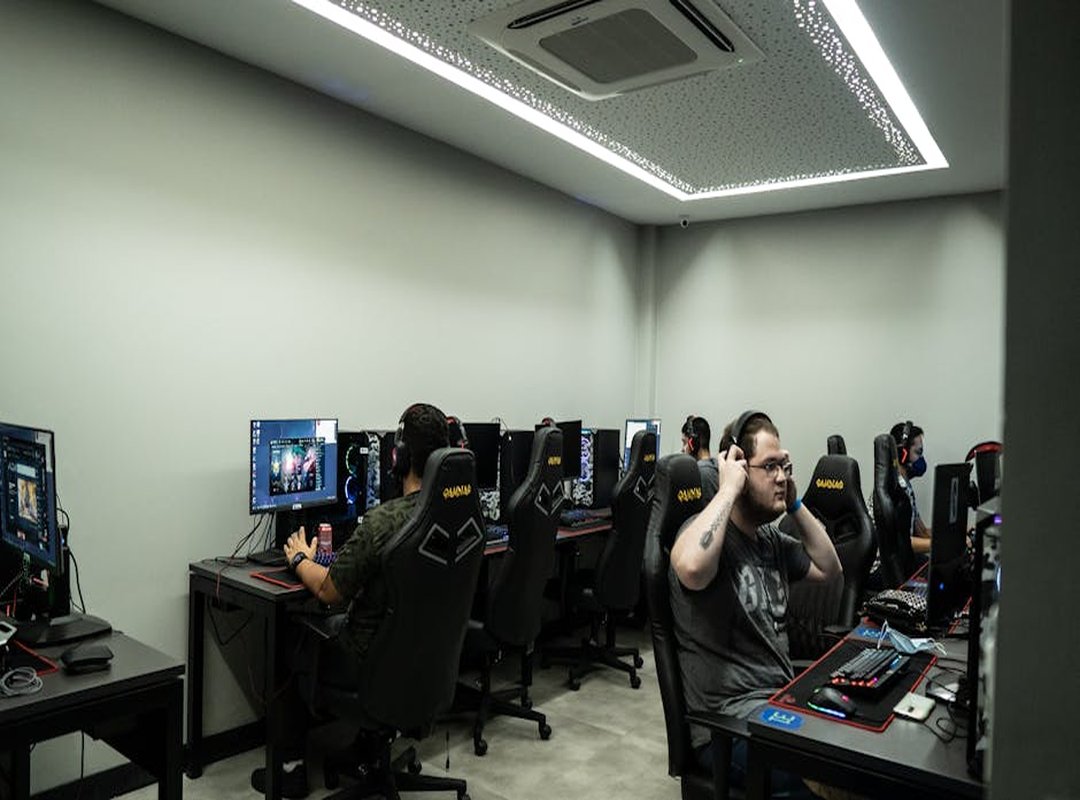
I’ve watched a 17-year-old in Manila and a 32-year-old in Warsaw cheer for the same player at the same millisecond. No translation needed. No border check.
That’s not magic. It’s how esports works.
Games like League of Legends or Valorant don’t care where you’re from. They only care if you know the map, respect the spawn, and mute your mic when you rage.
This isn’t just global reach (it’s) shared rhythm. You learn the slang. You recognize the emotes.
You feel the drop in chat when a clutch play happens.
And yeah, players talk back. On Twitch, they read your name. On Twitter, they reply to your meme.
Try getting LeBron to answer your tweet about defensive rotations.
Traditional sports keep athletes on pedestals. Esports puts them in your group chat (sometimes literally).
Discord servers explode before tournaments. Subreddits dissect every patch note like scripture. Live chats scroll faster than your eyes can track (and) somehow, you still catch the inside joke.
I once joined a server for a Korean team. Half the members spoke zero Korean. We used emoji, GIFs, and Google Translate like it was oxygen.
The energy at an arena? Different. Loud, yes (but) also digital.
Screens flash live stats. Fans hold up LED signs synced to the game timer. Someone streams the crowd on Twitch while the match runs.
It’s not a stadium. It’s a node.
Why Esports Are Important Hcdesports isn’t about hype. It’s about proof. That people will build something real, together, without ever shaking hands.
If you’re new to all this, start with the Online gaming guide hcdesports. Skip the fluff. Go straight to what actually connects people.
No gatekeepers. Just games.
When Gaming Leaks Into Real Life
Esports aren’t just tournaments in dark arenas anymore. They’re on Billboard charts. They’re on runway shows.
They’re in your group chat.
K/DA dropped “POP/STARS” (and) it stuck. Not a novelty act. A real hit.
People who’ve never queued for League hummed that chorus. True Damage followed up with actual festival sets. This isn’t marketing theater.
It’s cultural bleed.
Louis Vuitton didn’t just slap a logo on a skin. They designed trophy cases for the World Championship. Actual leather, actual craftsmanship (for) a digital trophy.
That’s not crossover. That’s full annexation.
You say “nerf” at work. You “rage quit” your coffee maker. “Carry,” “feed,” “GG” (all) in Slack, all unironically. These words landed because the audience did.
Why Esports Are Important Hcdesports? Because they shape how people talk, dress, and hear music (whether) they own a controller or not.
Want to see how deep this goes? The Hcdesports gaming guide by harmonicode breaks down exactly which esports moments actually shifted culture (and) which ones were just hype.
Plug In and See for Yourself
Esports aren’t coming. They’re here. Right now.
In living rooms, arenas, and classrooms.
I’ve watched this grow from basement LANs to sold-out stadiums. It’s not a phase. It’s a billion-dollar industry.
A real career path. A global community that forms faster than most friendships.
You still think it’s just kids playing games? That’s the old story. The one you heard in 2012.
Or from your uncle at Thanksgiving.
Why Esports Are Important Hcdesports isn’t theory anymore. It’s measurable. It’s visible.
It’s happening while you scroll past it.
So stop reading about it. Watch one major tournament final this weekend. Follow a pro team for seven days.
Just one.
See how fast the energy grabs you.
See how much it means to people who live it.
Your skepticism won’t survive actual exposure. Try it. Then come back and tell me what changed.