
Breaking into competitive gaming today takes more than fast reflexes and long practice hours. If you’re searching for a clear path to mastering becoming a pro gamer skills, you’re likely overwhelmed by conflicting advice, endless tutorials, and rapidly shifting metas. This guide is built to cut through that noise.
We focus on what actually moves the needle: mechanical precision, game sense development, strategic adaptability, communication in high-pressure multiplayer environments, and performance optimization. Beyond raw talent, going pro requires structured training routines, mental resilience, and a deep understanding of next-gen gameplay trends and competitive meta shifts.
To ensure accuracy and relevance, this article draws from analysis of high-level competitive matches, current multiplayer optimization strategies, and proven training frameworks used by top-tier players. Whether you’re aiming to climb ranked ladders or compete in tournaments, you’ll find practical, actionable insights designed to help you level up efficiently and strategically.
From Hobbyist to Pro: The Real Grind Begins Here
Going pro isn’t a glow-up; it’s a rebuild. Think of it like turning a garage band into a symphony orchestra. First, mindset: discipline replaces vibes. You track scrims, review VODs (game footage recordings), and treat tilt like a pulled muscle—rest, reset, rehab. Next, technical skill becomes scales and arpeggios, drilled daily until mechanics feel automatic. Then, strategic depth: understanding meta (dominant strategies) is chess, not checkers. Finally, career development—branding, contracts, networking—is your tour manager. In short, becoming a pro gamer skills demand structure. However, talent alone won’t cut it; systems will.
The Foundation: Discipline and Mental Fortitude
Why Talent Isn’t Enough
Raw talent gets attention. Discipline keeps you there. At elite levels, mechanical skill is assumed. What separates top competitors is consistency—the ability to execute under pressure, daily. A growth mindset (the belief that skills are developed through effort, not fixed traits) turns losses into data instead of drama. Think of it like ranked mode: one bad match doesn’t define you, but your response to it does. Some argue that natural reflexes are everything. Yet research in performance psychology shows deliberate practice—not innate ability—is the strongest predictor of expertise (Ericsson et al., 1993). Talent opens the door; discipline keeps it from closing.
Building a Pro-Level Training Schedule
Grinding games isn’t a strategy. Structure is.
• Mechanics Block (60–90 mins): Aim drills, movement reps, execution consistency
• Strategy Review (45 mins): VOD analysis, meta trends, opponent tendencies
• Scrim/Ranked Play (2–4 hrs): Apply focused objectives, not autopilot queues
• Physical Reset (30 mins): Mobility, light cardio, posture correction
This is where becoming a pro gamer skills actually compound. (Yes, stretching matters.) Pro tip: Track one improvement metric per week—reaction time, accuracy %, or decision errors.
Managing Tilt and Burnout
Tilt is emotional dysregulation under stress. Use box breathing (4-4-4-4 counts) between rounds. Set a hard stop after three consecutive frustration-driven mistakes. Over a season, schedule one full rest day weekly. Recovery isn’t laziness; it’s maintenance.
The Importance of Health
Sleep deprivation reduces reaction time comparable to alcohol impairment (Williamson & Feyer, 2000). Nutrition stabilizes focus. Strength training improves posture and endurance. If you’re asking what’s next, start tracking sleep, hydration, and review cycles. Master your body, and your gameplay follows.
Technical Execution: Mastering Your Game’s Mechanics
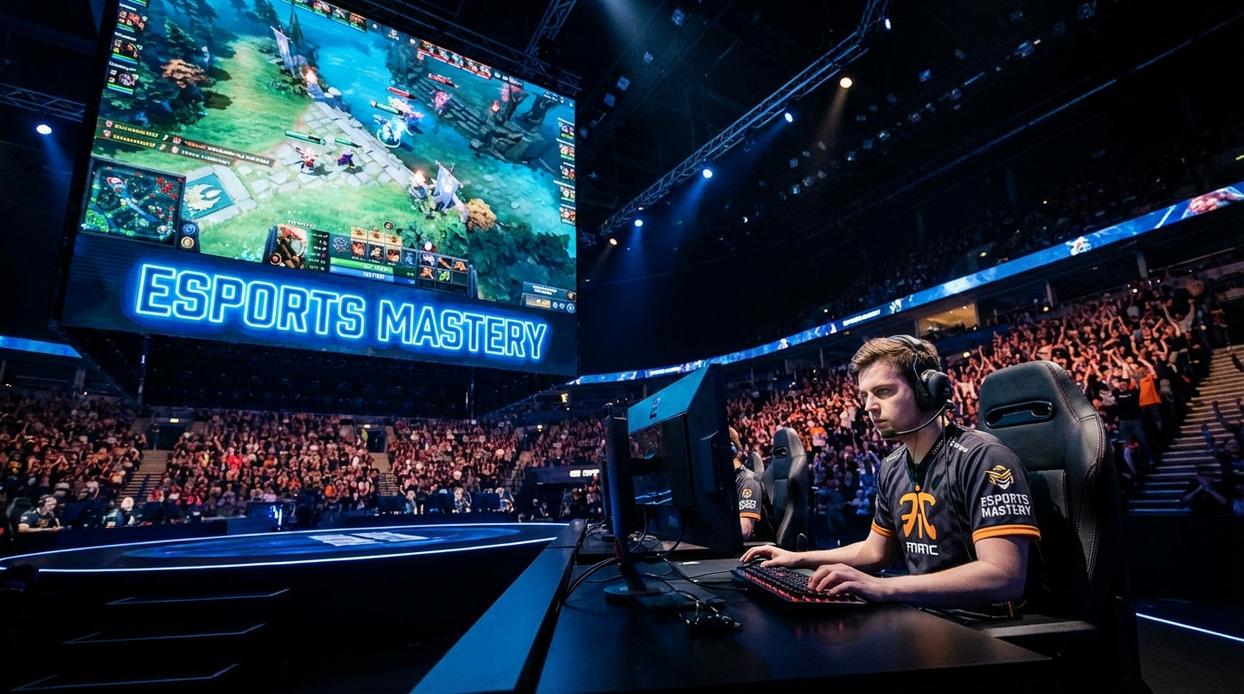
Mechanical skill isn’t built by grinding eight hours straight. It’s built through deliberate practice—focused training with measurable goals. Grinding means playing match after match hoping you “naturally improve.” Deliberate practice means deciding, for example, to improve crosshair placement by 10% over two weeks by tracking headshot percentage (a measurable stat most FPS games provide). According to psychologist K. Anders Ericsson’s research on expertise, targeted practice—not repetition alone—drives elite performance (Ericsson et al., 1993).
So how do you apply that?
Creating Effective Drills
First, isolate skills.
- Aim: Spend 15 minutes in an aim trainer like Aim Lab or Kovaak’s focusing only on flick accuracy. Track scores daily.
- Movement: In-game, run obstacle routes without shooting. Time yourself and reduce mistakes each session.
- Ability usage: Enter custom matches and rehearse ability combos 20 times in a row without error.
- Combo execution: Slow it down. Perform the sequence at 70% speed before increasing tempo.
In other words, treat practice like a gym session: focused sets, not chaotic scrimmages.
Optimizing Your Setup
Next, remove technical bottlenecks. A 144Hz+ monitor reduces motion blur and improves reaction clarity (NVIDIA, 2023). Choose a lightweight mouse with a consistent sensor, and lock in one sensitivity—don’t constantly tweak it (tempting, but counterproductive). Disable unnecessary graphics effects to maintain stable FPS. Consistency builds confidence.
Pro tip: Once you find optimal keybinds, stop changing them for at least 30 days.
Muscle Memory and Reaction Time
Muscle memory is automated movement stored through repetition. When inputs become subconscious, your brain frees up bandwidth for strategy. Train reflexes with reaction-based drills (e.g., random target spawn modes) and review missed shots to identify patterns.
Some argue reaction time is purely genetic. While baseline speed varies, studies show practice improves decision speed and accuracy under pressure (Voss et al., 2010).
Mastering these becoming a pro gamer skills takes structured effort. Practice smart, track progress, and let mechanics become automatic—so your mind can focus on winning.
Strategic Intelligence: Developing Elite Game Sense
I still remember the first time I reviewed my own gameplay. I thought I’d played flawlessly—until the VOD (Video on Demand recording of a past match) proved otherwise. Within ten minutes, I spotted three positioning errors and one greedy push that cost us the round. That’s when I understood: improvement starts with honest review.
Learning to Learn: The Art of VOD Review
Start by watching without emotion. Pause at every death or lost objective and ask, What information did I miss? Then compare your decisions to top pros. Notice patterns—how they rotate, when they disengage, why they hold abilities. Over time, these patterns reveal opportunities you never saw mid-game (it’s humbling, but necessary). For structure, study the daily training routines of professional esports players and mirror their review habits.
Understanding the Meta
The “meta” (most effective tactics available) shifts with patches, balance updates, and community innovation. Some argue you should ignore meta and “play what you love.” Fair—but at higher tiers, ignoring win-rate data and counter-picks is risky. Track patch notes, tournament drafts, and pick/ban trends. Adaptation is a core part of becoming a pro gamer skills.
Team Play and Communication
Clear callouts—short, precise information like “two flanking left”—win games. Synergy (how well abilities and roles combine) defines team success. Moreover, understanding win conditions—the primary way your composition secures victory—keeps everyone aligned.
Macro vs. Micro Gameplay
Micro is mechanics: aim, combos, reaction speed. Macro is map awareness, rotations, and objective control. Many players debate which matters more. In my experience, micro gets highlights; macro wins championships (just ask any seasoned shot-caller). Master both.
Breaking into competitive gaming can feel confusing, so let’s simplify it. First, ranked ladders are online leaderboards that track performance; climbing them signals consistency. Amateur tournaments are smaller events where scouts look for raw talent (yes, it’s a bit like the minor leagues in traditional sports). As you improve, focus on becoming a pro gamer skills such as communication, adaptability, and review habits. Meanwhile, networking simply means building genuine relationships through Discord servers, events, and scrims. On the branding side, stream regularly, post highlights, and keep profiles professional. Sponsors notice reliability as much as skill. Consistency builds long-term credibility online.
First, forget the myth that talent alone earns contracts. Raw mechanics are common; disciplined execution is rare. Instead, treat your growth like a high-performance system.
Consider breakdown:
| Area | Daily Focus | Outcome |
| — | — | — |
| Mental | Review losses | Faster adaptation |
| Physical | Sleep and mobility | Consistent reactions |
| Technical | Targeted drills | Cleaner mechanics |
| Strategic | Meta study | Smarter decisions |
Ask yourself: are you training randomly or intentionally? Ultimately, becoming a pro gamer skills demand boring consistency over flashy plays.
Level Up Your Competitive Edge
You came here to sharpen your edge, understand the evolving meta, and find practical ways to outperform your competition. Now you have the strategic insight, gameplay trends, and optimization tactics needed to compete smarter—not just harder.
The difference between staying stuck and advancing in ranked play often comes down to clarity and execution. Without the right strategy and adaptation to the current meta, progress stalls and frustration builds. But when you apply structured improvements and focus on becoming a pro gamer skills, you position yourself to win more consistently and dominate your lobbies.
Now it’s time to act. Start implementing one optimization tip today, refine your loadouts based on the latest meta shifts, and track your performance over your next sessions. Thousands of competitive players rely on proven, data-driven strategies to climb faster—don’t get left behind.
Take control of your improvement now. Study the meta, optimize your gameplay, and commit to leveling up—your next rank is waiting.