
Competitive gaming isn’t just changing—it’s accelerating. From shifting metas to smarter matchmaking systems, today’s players are navigating a constant state of gaming ecosystem evolution. If you’re here, you’re likely looking to understand what’s actually shaping next-gen gameplay, how competitive trends are forming, and what practical adjustments will give you an edge.
This article breaks down the latest strategy developments, emerging meta patterns, and multiplayer optimization techniques that matter right now. Instead of surface-level commentary, we analyze high-level ranked data, tournament play patterns, patch impacts, and community-driven innovation to identify what’s truly influencing performance.
Whether you’re grinding competitive ladders or refining team coordination, you’ll find clear insights into what’s working, what’s fading, and how to adapt efficiently. The goal is simple: help you make smarter in-game decisions based on real competitive signals—not hype—so you can stay ahead as the landscape continues to evolve.
From Pixels to Persistent Worlds: Charting Gaming’s Unstoppable Evolution
Gaming isn’t just about sharper graphics anymore; it’s about systems layered on systems. From AI-driven NPCs (non-player characters that learn and adapt) to cloud streaming that removes hardware barriers, the industry runs on constant iteration. Still, some argue live-service models prioritize monetization over fun. Fair point—battle passes can feel endless. However, when done right, they fund richer updates and thriving communities.
So what should you do? First, experiment with cross-platform titles to future-proof your skills. Next, follow competitive metas to anticipate balance shifts. Ultimately, understanding gaming ecosystem evolution helps you play—and build—smarter.
The Technological Backbone: Powering Next-Generation Experiences
The first time I fought an AI-driven boss that actually adapted to my playstyle, I just sat there for a second, controller in hand. It stopped falling for my usual flank-and-dodge routine and started baiting me instead. That’s when it clicked: this wasn’t scripted behavior. This was machine learning in action.
AI and procedural generation are reshaping modern games. Artificial intelligence (systems that simulate human decision-making) now powers dynamic NPCs and smarter enemies that evolve mid-match. Procedural generation—where algorithms create environments on the fly—builds vast, near-infinite worlds. Think No Man’s Sky, where entire planets materialize from mathematical rules (a sci-fi dream that actually works). The result is replayability that feels almost LIMITLESS.
Some critics argue procedural worlds feel empty or repetitive. Fair point. Early versions often did. But newer models layer handcrafted assets over algorithmic frameworks, blending scale with intention. Pro tip: when evaluating replay value, look for AI systems that adapt—not just randomized maps.
Then there’s the cloud. Services like Xbox Cloud Gaming and GeForce Now stream high-end titles to modest devices, decoupling performance from pricey GPUs. Skeptics say latency ruins competitive play. In my experience, strong broadband plus optimized routing makes it surprisingly RESPONSIVE for most genres (though I still prefer local hardware for ranked matches).
Next-gen engines like Unreal Engine 5 push photorealistic lighting and massive multiplayer spaces. Combined with rollback netcode—technology that rewinds and corrects desynced inputs—and dedicated servers, competitive fairness feels tighter than ever.
This is gaming ecosystem evolution in real time, and we’re not just playing it—we’re living it.
The New Economy: How Games Are Played, Bought, and Sold
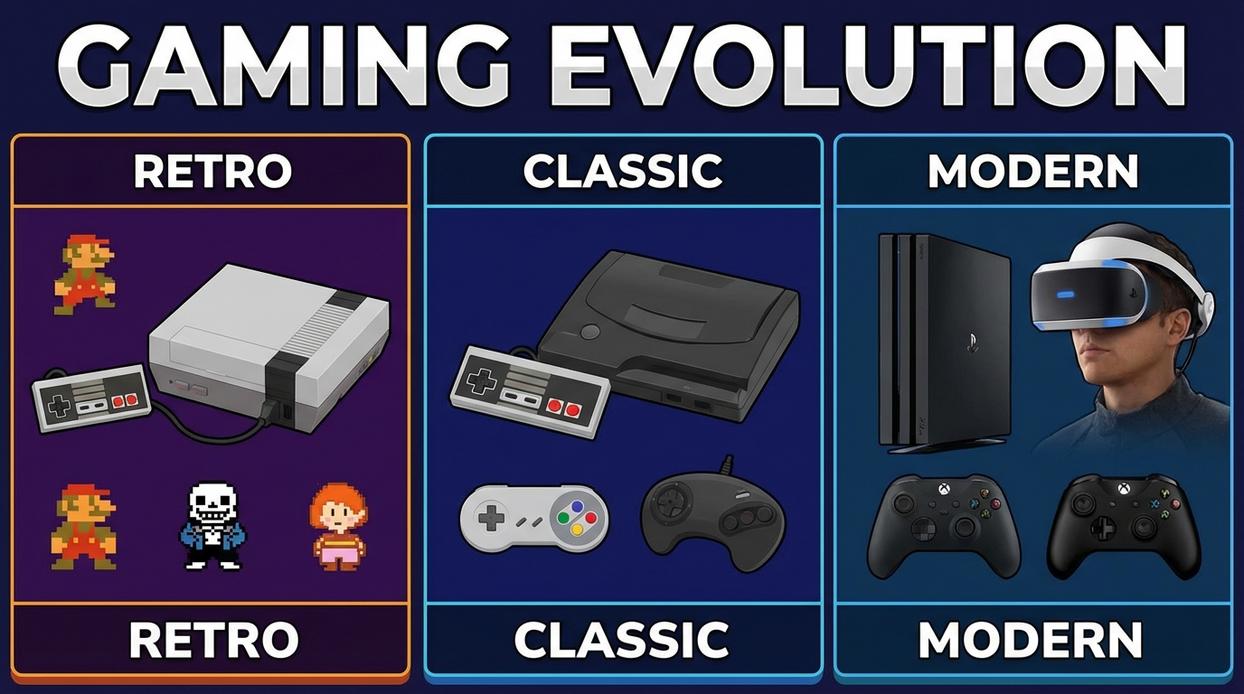
The modern game isn’t just a product—it’s a platform. Consider live-service titles like Fortnite, Apex Legends, and Genshin Impact. A live-service model means the game continuously updates with seasonal content, balance patches, and limited-time events rather than shipping once and fading out. In contrast, traditional boxed releases delivered a fixed experience: you finished the campaign, maybe replayed it, and moved on. Live-service games, however, function more like Netflix series—new seasons keep audiences subscribed (and talking).
Meanwhile, subscription services have reshaped value perception. Xbox Game Pass vs. traditional $70 purchases is the clearest comparison. On one side, players pay a monthly fee for a rotating library, lowering the barrier to experimentation and boosting discovery. On the other, standalone purchases often provide higher upfront revenue per unit but face steeper marketing pressure. Some argue subscriptions devalue individual titles. Yet data from Microsoft suggests Game Pass increases engagement and post-launch spending on featured games (Microsoft, 2022). Exposure, it turns out, can rival exclusivity.
Monetization strategies have also evolved. Loot boxes—randomized paid rewards—drew criticism for resembling gambling (UK Parliament, 2020). Compare that with cosmetic-only stores and battle passes, where players know exactly what they earn through engagement. Transparency vs. randomness is the key distinction. Unsurprisingly, players respond better to fairness.
Finally, indie studios thrive in this gaming ecosystem evolution. Accessible engines like Unity and Unreal lower development costs, while digital storefronts connect niche games to global audiences. For a deeper look at why community driven content is shaping the future of online worlds, community feedback often fuels long-term success. In today’s market, adaptability beats scale.
Community and Competition: The Player-Driven Universe
Esports didn’t start in sold-out arenas. In fact, it began in hotel ballrooms and college campuses. “We were happy with fifty people watching,” one early tournament organizer recalled in a 2018 interview with ESPN. Fast forward, and events like the League of Legends World Championship fill stadiums and draw millions online (Riot Games, 2023). Consequently, developers now design with competitive balance—or the “meta,” meaning the most effective tactics available—baked in from day one. As one game designer put it at GDC, “If the meta breaks, the esport breaks.” Not everyone agrees, of course. Some argue hyper-balancing strips away fun. Yet without fairness, competitive integrity collapses (and no one enjoys a rigged match).
The Creator-Player Feedback Loop
Meanwhile, streamers have become power brokers. “If Twitch hates it, we notice immediately,” a community manager admitted during a live Q&A. Platforms like Twitch and YouTube don’t just showcase games—they shape them. Creators spotlight overpowered builds, critique updates, and ignite trends overnight. Admittedly, critics say this gives influencers too much sway. However, real-time feedback often accelerates smarter patches and healthier metas.
Then there’s User-Generated Content. Roblox and Fortnite Creative empower players to build entire worlds. As one young developer said on YouTube, “I started with a map; now I run a studio.” This blurring of roles signals a broader gaming ecosystem evolution.
Finally, cross-play unites fragmented audiences. “I just want to play with my friends,” a PlayStation user tweeted when cross-play launched for Fortnite (Epic Games, 2018). Breaking platform barriers sustains player populations—and, more importantly, community longevity.
The Digital Horizon: Synthesizing Today’s Trends for Tomorrow’s Gameplay
The modern gaming landscape runs on a powerful feedback loop: technology pushes boundaries, business models adapt, and communities respond—then influence the next wave of change. This cycle of gaming ecosystem evolution shapes everything from cross-platform play to live-service updates.
The challenge? Staying aware of the competitive meta beyond a single title. It’s not just about patch notes; it’s about industry shifts like subscription models, cloud streaming, and user-generated content. Some argue great gameplay alone guarantees success. While mechanics matter, history shows even polished games fail without fair monetization or strong community trust (see Anthem’s rocky launch).
To navigate this landscape, focus on:
- Scalable tech that minimizes latency and supports cross-play
- Transparent value systems that avoid pay-to-win backlash
- Active community dialogue through forums and live updates
The future belongs to games that treat players as collaborators, not customers—because immersive, accessible, interconnected worlds aren’t optional anymore; they’re expected.
Level Up Your Competitive Edge
You came here to understand the latest strategy guides, next-gen gameplay trends, competitive meta shifts, and multiplayer optimization tactics—and now you have the clarity to move forward with confidence. The modern landscape is shaped by rapid gaming ecosystem evolution, and staying static is the fastest way to fall behind.
The real pain point isn’t lack of passion—it’s falling behind the meta, missing optimization tweaks, and losing matches you should be winning. When the competition adapts faster than you do, every small disadvantage compounds.
Now it’s time to act. Apply the strategies you’ve learned, refine your loadouts, test new meta builds, and optimize your multiplayer setup for peak performance. Stay ahead of patches, balance changes, and emerging trends so you’re always one step in front.
If you’re serious about dominating your matches and mastering the shifting meta, keep learning with the #1 trusted source for competitive insights and next-gen gameplay analysis. Dive into the latest guides now and start turning smarter strategy into consistent wins.