I’ve been studying how players build content for games longer than most studios have been thinking about it seriously.
You’re probably here because you’ve noticed something shifting in the games you play. More maps made by regular people. More servers running custom content. And you’re wondering what this actually means.
Here’s what’s happening: client-generated maps are changing how online games survive past their first year. The studios that ignore this are watching their player counts drop.
I spent years analyzing competitive multiplayer metas and tracking what keeps communities alive. The answer keeps coming back to the same thing: let players create.
This article breaks down what client-generated maps actually are and why they matter more than you think. I’ll show you how they solve problems that even big budget DLC can’t fix.
We’ve researched gameplay trends across dozens of titles. We’ve watched games die because they ran out of content and others thrive because players kept building. That’s how I know this isn’t just a trend.
You’ll learn why user-created content stops player burnout, how it keeps communities engaged for years, and what this means for the future of the games you’re playing right now.
No hype about the metaverse. Just what’s working today in real games with real players.
Defining Client-Generated Maps: From Simple Mods to Complex Worlds
Let me clear something up right away.
When I talk about client-generated maps, I’m not referring to some technical backend process. I mean maps that you and other players build. Not the developers. You.
Think of it as the difference between buying furniture and building it yourself.
The term “client” just means the player. The person on the other end of the game. So client-generated maps are any level, environment, or playable space that comes from the community instead of the studio.
This wasn’t always easy to do.
Back when Doom and Half-Life ruled the gaming world, creating your own maps meant learning actual programming. You needed to understand file structures and scripting languages. It was technical and time-consuming (which is why most players never bothered).
But things changed.
Game developers realized that player creativity could extend a game’s life for years. So they started building creation tools directly into their games.
Now we’ve got two types of systems. Basic level editors let you rearrange existing assets and tweak layouts. Pretty simple stuff.
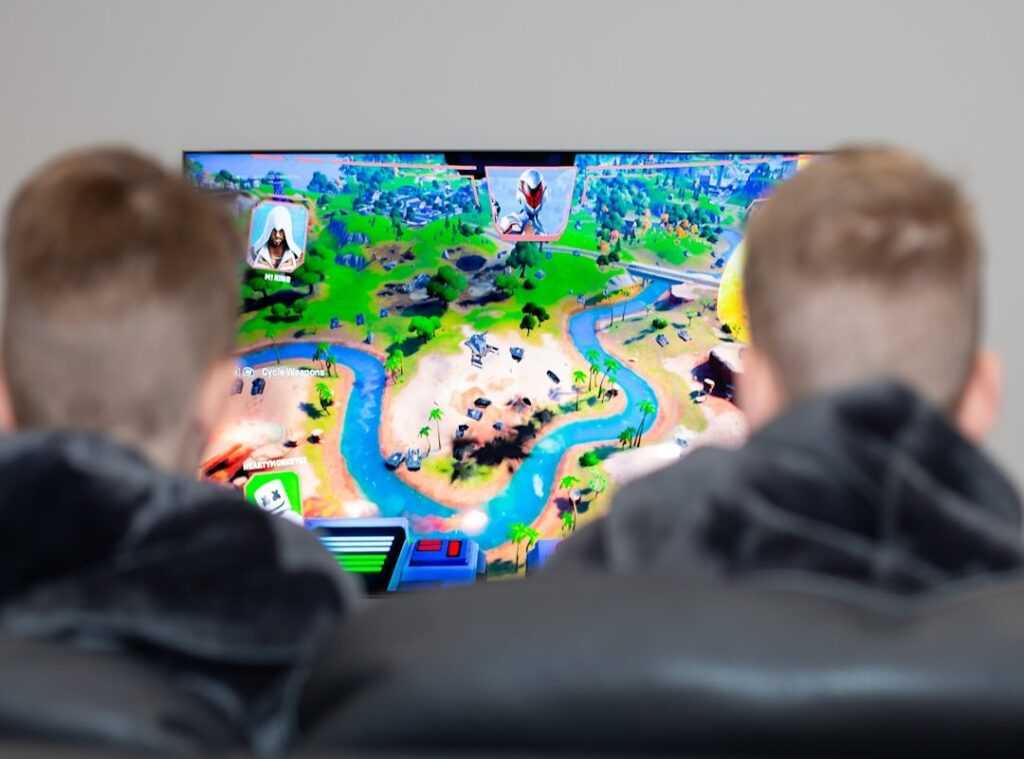
Then there are the big players. Fortnite Creative and Roblox Studio give you almost everything the actual developers use. You can script custom game logic, import assets, and build experiences that feel nothing like the base game.
The maps in Clienage9 communities show just how far this has come. What started as simple room layouts has turned into full game worlds with their own rules, stories, and mechanics.
Some of these player-made maps get more attention than official content. That’s not an exaggeration. I’ve seen community creations pull millions of players.
The Strategic Impact on Gameplay and Community Longevity
Here’s something most game studios won’t admit.
They can’t keep up with their own players.
A dev team might pump out two or three new maps per quarter. Maybe four if they’re really pushing. But give players the tools to build their own content? You’re looking at hundreds of new experiences every week.
That’s the real power of player-made maps.
Some people argue this approach dilutes quality. They say official content is more polished and balanced. And sure, not every player creation is going to be tournament-ready.
But here’s what they’re missing.
When you let players create, you’re not just adding content. You’re changing the entire relationship people have with your game.
Look at what happened with StarCraft. Someone built a tower defense map as a side project. Now Tower Defense is its own genre worth billions. Or Warcraft III, where a custom map called Defense of the Ancients spawned the entire MOBA category (League of Legends and Dota 2 basically owe their existence to one modder’s weekend project).
I’ve watched this pattern repeat across different games at clienage9. Players who build maps stick around longer. They recruit friends. They form communities around their creations.
They stop being consumers and become partners.
Here’s my prediction. Within five years, we’ll see at least two new major game genres emerge from community-created content. The tools are getting better and the player base is more creative than ever.
The meta never gets stale when thousands of minds are working on it simultaneously. No studio can match that output. Not even close.
The Developer’s Dilemma: Balancing Freedom and Control

Here’s what most game studios won’t tell you.
When they open up their game to user-generated content, they’re taking a gamble. A calculated one, sure. But still a gamble.
Some developers argue that keeping everything in-house is safer. They say it protects the player experience and maintains quality standards. And honestly, they have a point. You’ve probably downloaded a custom map that crashed your game or was just plain broken.
But that thinking misses something big.
The Benefit: Outsourcing Innovation
When you let players create, you get something no studio can buy. Free research.
Think about it. Thousands of players building maps in clienage9 apk means thousands of experiments running at once. Some fail. Some succeed wildly.
The ones that succeed? They show you exactly what your community wants. No focus groups needed. No expensive prototypes that might flop.
You’re basically running a massive creative department that works for free. Players test ideas you’d never think of, and you get to watch which ones stick. For additional context, Clienage9 for Pc covers the related groundwork.
The Challenge: Quality Control and Moderation
Now for the hard part.
Opening the floodgates means dealing with everything that comes through. And I mean everything. Broken maps. Copied content. Stuff that shouldn’t exist in the first place.
Without a solid discovery system, the good stuff gets buried. Players give up after scrolling through pages of garbage. They assume all user content is bad and never come back.
You need filters. You need reporting systems. You need actual humans reviewing flagged content. That costs money and time.
The Technical Hurdle: Performance and Security
Then there’s the technical side, which gets messy fast.
User-generated content can tank performance if someone builds something ridiculous. (I’ve seen maps that drop frame rates to single digits.) Or worse, someone finds a way to inject code that breaks the game or compromises accounts.
You’re constantly patching holes. Updating security protocols. Making sure that creative freedom doesn’t become a security nightmare.
It never really ends.
Best Practices for Aspiring Map Creators
You’ve probably loaded into a custom map that looked amazing in the screenshots but played like garbage.
I see it all the time. Creators pour hours into visual details and forget that maps in clienage9 need to actually work when ten people are running around shooting each other.
Here’s where most guides get it wrong. They’ll tell you to study professional maps and copy what works. Sure, that’s fine advice. But it misses something important.
Your first map is going to suck.
Some people say you should plan everything perfectly before you start building. Sketch it out, measure every angle, calculate spawn distances. They think preparation prevents problems.
But that’s not how it works.
The only way to learn game flow is to watch real players break your map. You can’t predict where they’ll camp or which routes they’ll ignore completely. I’ve seen creators spend weeks perfecting a flank route that nobody ever uses because the main path is just faster.
So here’s what actually matters.
Build something basic first. Get it playable fast. Then watch people use it wrong (because they will).
Performance isn’t optional either. I don’t care how good your lighting looks if the frame rate tanks every time someone aims down a certain corridor. The engine has limits and you need to respect them.
Most creators learn this the hard way. They place a thousand props and wonder why their map stutters. If you’re running into issues, check the Clienage9 Bug Fixes before you assume it’s your hardware.
Test early. Test often. Test with people who don’t care about your feelings.
Your friends will be nice. Random players won’t. That’s exactly what you need.
Building the Future, One Map at a Time
You now understand that client-generated maps in clienage9 are a foundational pillar of modern multiplayer gaming.
They drive innovation. They build community.
When developers put creation tools in players’ hands, they unlock something powerful. A limitless source of content that extends a game’s life and keeps it relevant.
I’ve watched games die within months because they relied only on official content. I’ve also seen titles thrive for decades because their communities never stopped creating.
The difference comes down to trust. Developers who trust their players get rewarded with loyalty and creativity they could never produce alone.
Here’s what you should do next: Log into a game that supports custom maps and open the community browser. Explore what other players have built. Then take it further and open the editor yourself.
Start experimenting. Test ideas. Break things and rebuild them.
The next great gameplay experience might be the one you build yourself. Your map could be the reason someone falls in love with the game all over again.
The tools are there. The community is waiting. Your move is to start creating.
 Veylisa Orvellan has opinions about age 9 competitive meta analysis. Informed ones, backed by real experience — but opinions nonetheless, and they doesn't try to disguise them as neutral observation. They thinks a lot of what gets written about Age 9 Competitive Meta Analysis, Multiplayer Setup Optimization Tips, Clien Strategy Guides and Tactics is either too cautious to be useful or too confident to be credible, and they's work tends to sit deliberately in the space between those two failure modes.
Reading Veylisa's pieces, you get the sense of someone who has thought about this stuff seriously and arrived at actual conclusions — not just collected a range of perspectives and declined to pick one. That can be uncomfortable when they lands on something you disagree with. It's also why the writing is worth engaging with. Veylisa isn't interested in telling people what they want to hear. They is interested in telling them what they actually thinks, with enough reasoning behind it that you can push back if you want to. That kind of intellectual honesty is rarer than it should be.
What Veylisa is best at is the moment when a familiar topic reveals something unexpected — when the conventional wisdom turns out to be slightly off, or when a small shift in framing changes everything. They finds those moments consistently, which is why they's work tends to generate real discussion rather than just passive agreement.
Veylisa Orvellan has opinions about age 9 competitive meta analysis. Informed ones, backed by real experience — but opinions nonetheless, and they doesn't try to disguise them as neutral observation. They thinks a lot of what gets written about Age 9 Competitive Meta Analysis, Multiplayer Setup Optimization Tips, Clien Strategy Guides and Tactics is either too cautious to be useful or too confident to be credible, and they's work tends to sit deliberately in the space between those two failure modes.
Reading Veylisa's pieces, you get the sense of someone who has thought about this stuff seriously and arrived at actual conclusions — not just collected a range of perspectives and declined to pick one. That can be uncomfortable when they lands on something you disagree with. It's also why the writing is worth engaging with. Veylisa isn't interested in telling people what they want to hear. They is interested in telling them what they actually thinks, with enough reasoning behind it that you can push back if you want to. That kind of intellectual honesty is rarer than it should be.
What Veylisa is best at is the moment when a familiar topic reveals something unexpected — when the conventional wisdom turns out to be slightly off, or when a small shift in framing changes everything. They finds those moments consistently, which is why they's work tends to generate real discussion rather than just passive agreement.