
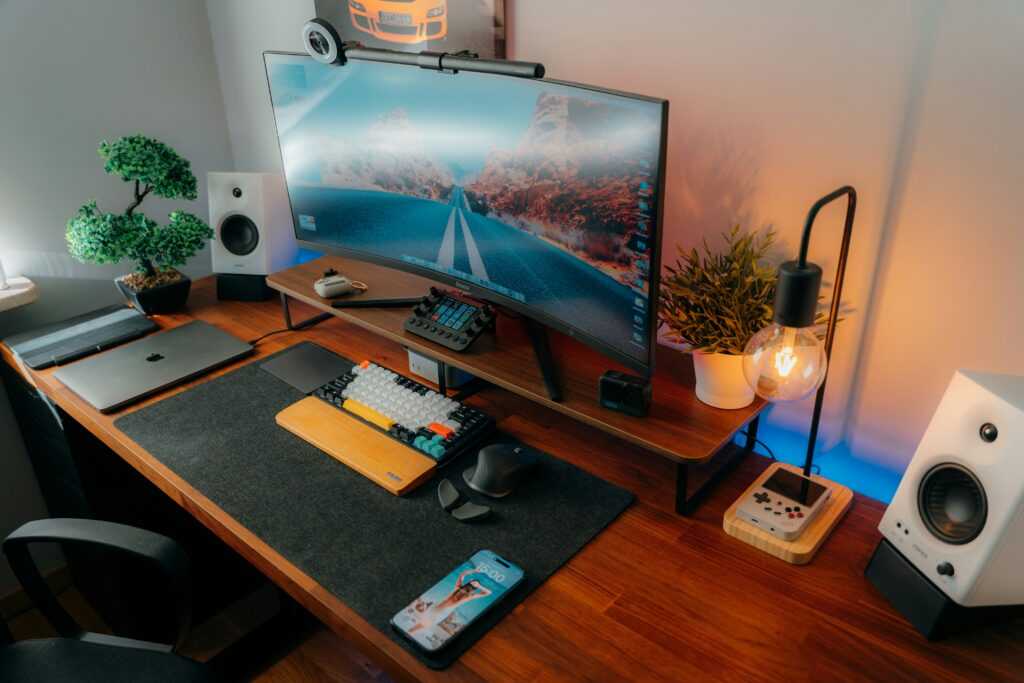
Buying a gaming PC online offers access to a wide selection of systems, competitive prices, and hardware configurations that may not be available in local stores. However, choosing the right computer involves more than comparing graphics cards and processor speeds, as buyers must also consider the reliability of the retailer and the conditions of their purchase. For example, gamers asking is No Compromise Gaming legitimate? can review the company’s dedicated legitimacy information to better understand the provider before making a purchasing decision. Taking time to investigate these details can help buyers avoid unnecessary expenses and choose a system that meets their gaming needs.
Research the Reputation of the Retailer
A gaming PC represents a significant financial investment, making retailer credibility one of the first factors buyers should investigate. Established retailers generally provide accessible business information, clear purchasing policies, and reliable communication channels. Checking these details helps customers distinguish professional gaming hardware providers from unfamiliar websites that may present unnecessary risks.
Customer reviews can also provide valuable information about product quality, delivery experiences, and after-sales support. Rather than relying entirely on testimonials displayed on a company’s website, buyers should explore independent review platforms and gaming communities. Consistent feedback about communication, product performance, and problem resolution can reveal how a retailer treats its customers.
Compare Hardware Specifications Carefully
Understanding hardware specifications is essential when choosing a gaming PC that delivers the expected performance. The processor, graphics card, memory, and storage configuration all influence how smoothly modern games operate. Buyers should compare these components against the recommended requirements of their favorite games instead of assuming that a higher price automatically guarantees better performance.
Graphics cards are particularly important for gamers interested in demanding titles, high resolutions, or competitive frame rates. However, processor performance, cooling efficiency, and sufficient memory also contribute to a balanced gaming experience. A system with powerful graphics hardware but inadequate supporting components may struggle to deliver consistent results during demanding gameplay.
Understand the Total Cost of Ownership
The advertised price of a gaming PC does not always represent the complete cost of ownership. Shipping charges, optional upgrades, peripherals, software, and extended warranties can increase the final amount considerably. Buyers should review the complete checkout summary and identify which accessories or services are included before committing to a purchase.
Financing and lease-to-own arrangements also deserve careful consideration because payment structures can differ between providers. Monthly payments may appear manageable, but customers should calculate the total amount payable over the agreement and review any applicable fees. Understanding ownership conditions, payment obligations, and cancellation policies helps buyers determine whether an arrangement suits their financial circumstances.
Review Warranty and Customer Support Policies
Even well-built gaming computers can experience hardware failures or technical difficulties over time. A clear warranty should explain which components are covered, how long protection lasts, and what customers must do when requesting repairs. Buyers should also determine whether shipping costs, replacement parts, or labor charges are included in the warranty terms.
Customer support becomes especially important when a computer develops problems after delivery. Retailers that provide accessible support channels and clear troubleshooting procedures can make technical issues easier to resolve. Checking response expectations and repair processes before purchasing helps buyers understand the assistance they can reasonably expect.
Check Upgrade Options and Future Compatibility
Gaming technology develops quickly, and hardware requirements often increase as new titles become available. Choosing a computer with upgrade potential can extend its useful lifespan without requiring an entirely new system. Buyers should examine motherboard compatibility, available memory slots, power supply capacity, and internal case space before selecting a configuration.
Future upgrades should also be considered alongside current gaming requirements. A system that supports additional storage, faster memory, or a more powerful graphics card may offer better long-term flexibility. However, buyers should avoid paying significantly more for upgrade features they are unlikely to use.
Examine Shipping, Returns, and Product Details
Online gaming PC purchases often involve expensive and delicate components that require careful handling during transportation. Buyers should review shipping methods, estimated delivery periods, packaging practices, and procedures for reporting damaged products. Understanding these conditions reduces uncertainty and makes it easier to respond if a computer arrives with visible damage.
Return policies are equally important because a purchased system may not meet the customer’s expectations. Some retailers apply specific conditions to customized computers, opened products, or returns requested after a certain period. Reading these requirements before ordering helps prevent disagreements and unexpected expenses.
Conclusion
Purchasing a gaming PC online requires careful consideration of hardware performance, retailer credibility, financial commitments, and customer protection policies. Researching specifications, reading independent reviews, and understanding warranty and return conditions can help gamers make more informed decisions. By looking beyond promotional offers and evaluating the complete purchasing experience, buyers can select a gaming computer that delivers reliable performance, reasonable value, and greater confidence in their investment.
 John Floresincono has opinions about age 9 competitive meta analysis. Informed ones, backed by real experience — but opinions nonetheless, and they doesn't try to disguise them as neutral observation. They thinks a lot of what gets written about Age 9 Competitive Meta Analysis, Clien Strategy Guides and Tactics, Multiplayer Setup Optimization Tips is either too cautious to be useful or too confident to be credible, and they's work tends to sit deliberately in the space between those two failure modes.
Reading John's pieces, you get the sense of someone who has thought about this stuff seriously and arrived at actual conclusions — not just collected a range of perspectives and declined to pick one. That can be uncomfortable when they lands on something you disagree with. It's also why the writing is worth engaging with. John isn't interested in telling people what they want to hear. They is interested in telling them what they actually thinks, with enough reasoning behind it that you can push back if you want to. That kind of intellectual honesty is rarer than it should be.
What John is best at is the moment when a familiar topic reveals something unexpected — when the conventional wisdom turns out to be slightly off, or when a small shift in framing changes everything. They finds those moments consistently, which is why they's work tends to generate real discussion rather than just passive agreement.